

Why We Need Hobbies ✨🎨
Join hobbies, not cults 🩷

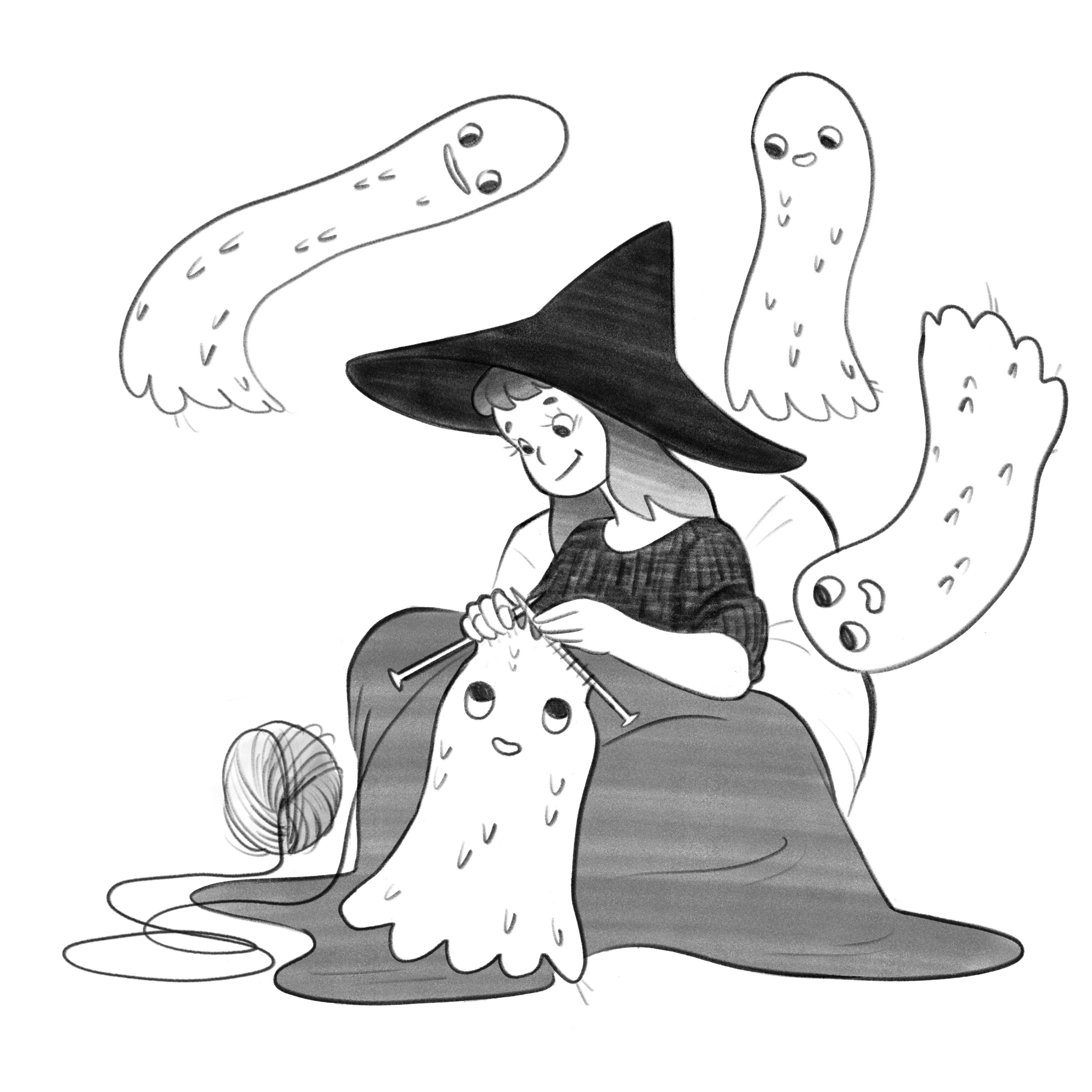
When I decided my main hobby would become my job, I thought it would be the best thing ever.
You know the quote:
“Find a job you enjoy doing, and you will never have to work a day in your life.”
~ Mark Twain
So I thought, I'll never work a day in my life. How lucky am I?
I was wrong.
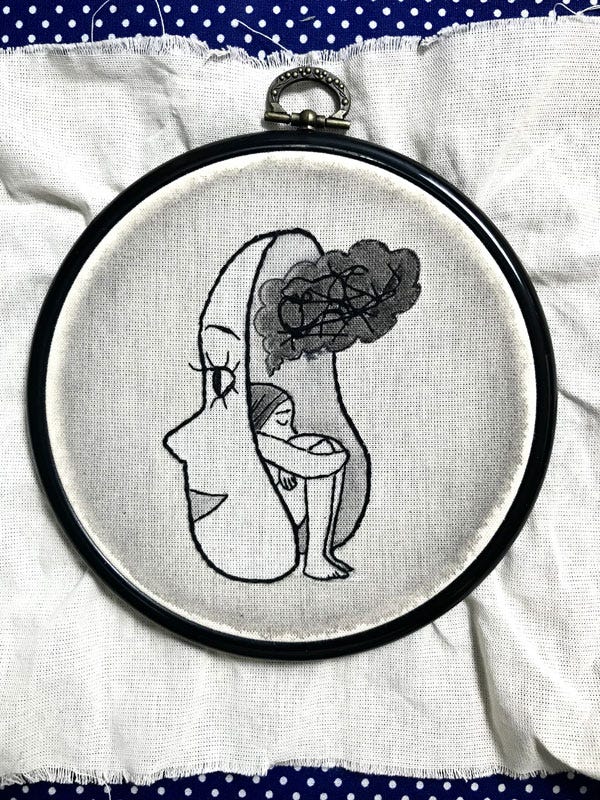
This week, I want to talk about hobbies. I'd like to make a case here in favor of hobbies, and hopefully, you'll get out of this post excited about pursuing some interests you have.
And as usual, I'll talk about my experience with my hobbies, so bear with me here. Maybe some of you will relate and know there's hope for you too.


So, maybe that quote was true for Mark Twain and many others, but for me, I started seeing my hobby, now work, as a chore.
The pressure quickly became too much to handle. I still loved it, but it became a little bit dreadful. More and more each day.
You know that feeling? When you have to do something, it loses its magic.
You want to do it in your own terms.

Drawing became just work.
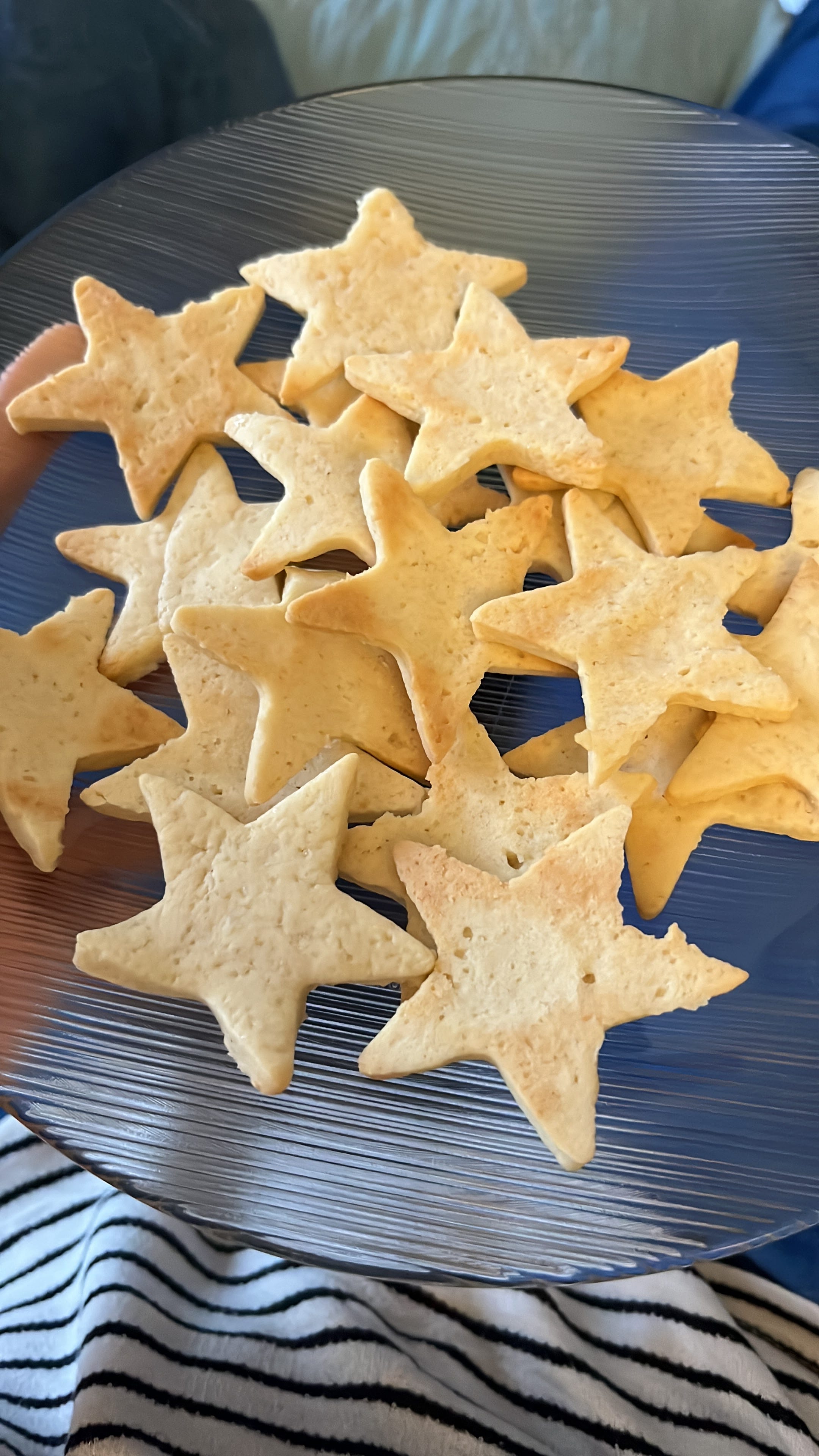
When it was simply a hobby that I could do any time I wanted and didn't need to show anyone, it was great. It didn't need approval. There was no pressure.
I loved it with all my heart.
I could suck at it in silence. I could struggle with it on my own. And I could choose to step away for a while.
I can't do that if that's my bread and butter.

I don't deal well with pressure. I couldn't be just good at art; I had to be good at creating content, at marketing, at selling. I had to perform.
Social media has this competition flavor to it, doesn't it?
So I pushed and pushed…
Until I burned out.
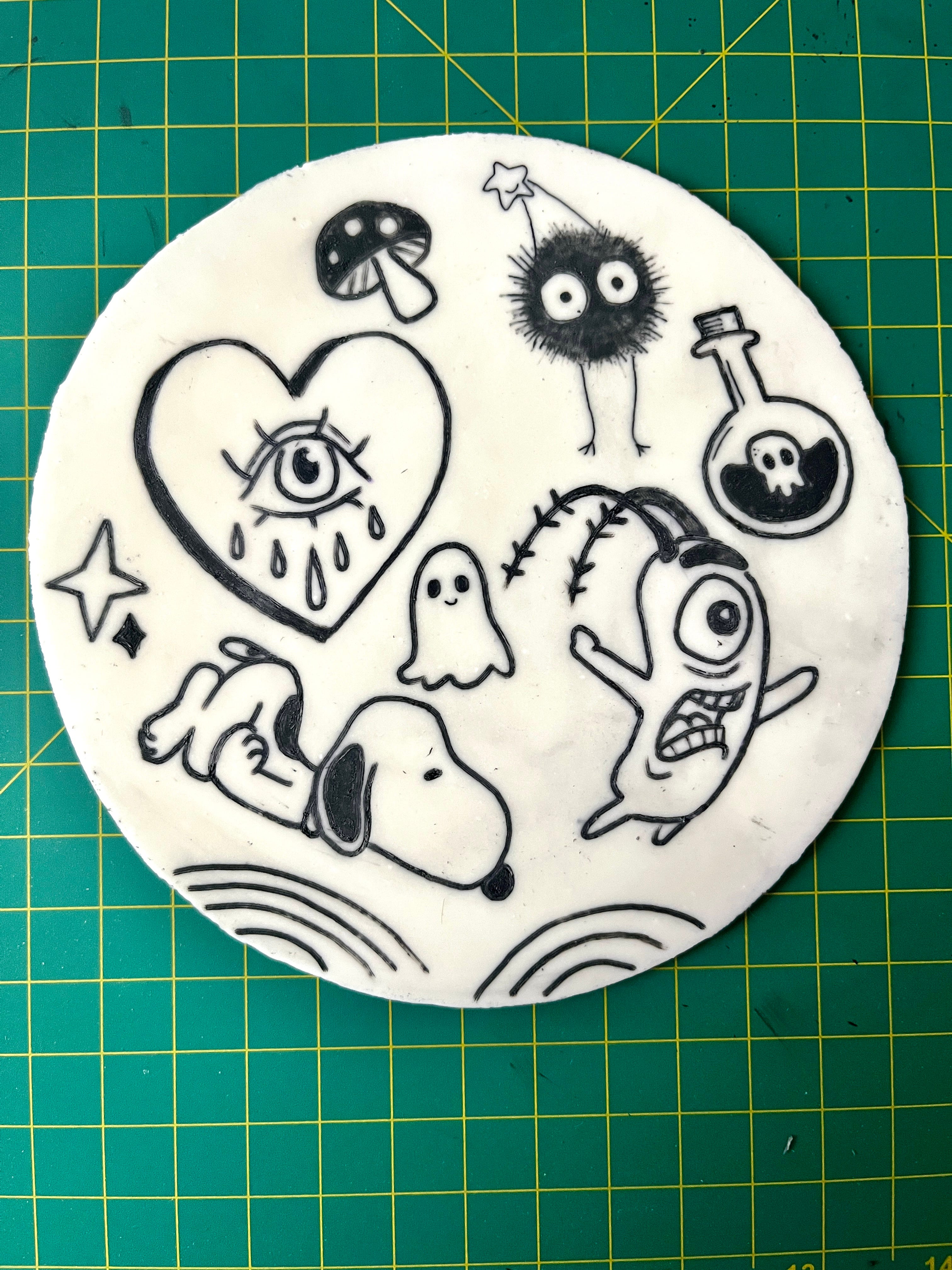
When I burned out, I realized I had been conditioned to seek greatness in every activity. To seek perfection. Like I had to find a hidden talent, and if the magical gift wasn't there, it wasn't for me.
I had unlearned how to suck at things and be ok with it.

This skepticism about myself started to grow. Fast.
I self-imposed limits on where my abilities and my development could reach. I created the belief that I couldn't learn.
So I conditioned myself not to learn - just to prove I'm right.
And as my skepticism grew, my self-esteem dropped like the flies when Pumba farts.
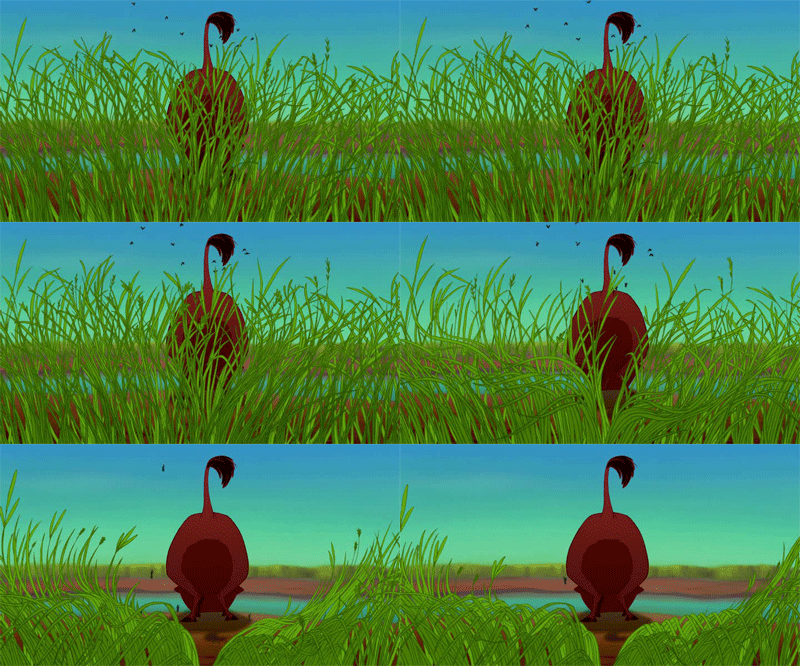
How can someone go from multipassioned to zero-passioned?
And how do I go back?
Why hobbies matter
My case on hobbies isn't just about fighting back against brainrot or improving our cognitive function. It has a lot to do with self-knowledge and connection.
It has a lot to do with self-esteem.
If you can relate to my story, you must know that your true essence is not the skeptical version of you.
This skepticism was learned. It has been curated by something deeper. Maybe depression, anger, fear, frustration, loneliness, anxiety, and so on.
These negative emotions have built a perfect nest for this skepticism and apathy to grow and thrive. And then, they create situations to prove them right.
All in the name of keeping you safe. I hope you understand that. Even these “bad” parts of you are only trying to protect you.
But, honestly? It has been doing more harm than good.
Having hobbies and pursuing interests is a movement towards self-knowledge. It is a movement towards connection with oneself. It expands a person's horizons.
It teaches you about what you like and what you don't.
It makes you more open to developing and interacting with your interests and finding more interests to pursue. And a person with interests is an interesting person.
Depending on the hobby, it can make you more spiritually attuned with yourself and the world. It can make you more connected to your ancestors, to the land, to old customs, to the spirits, and to your true self.
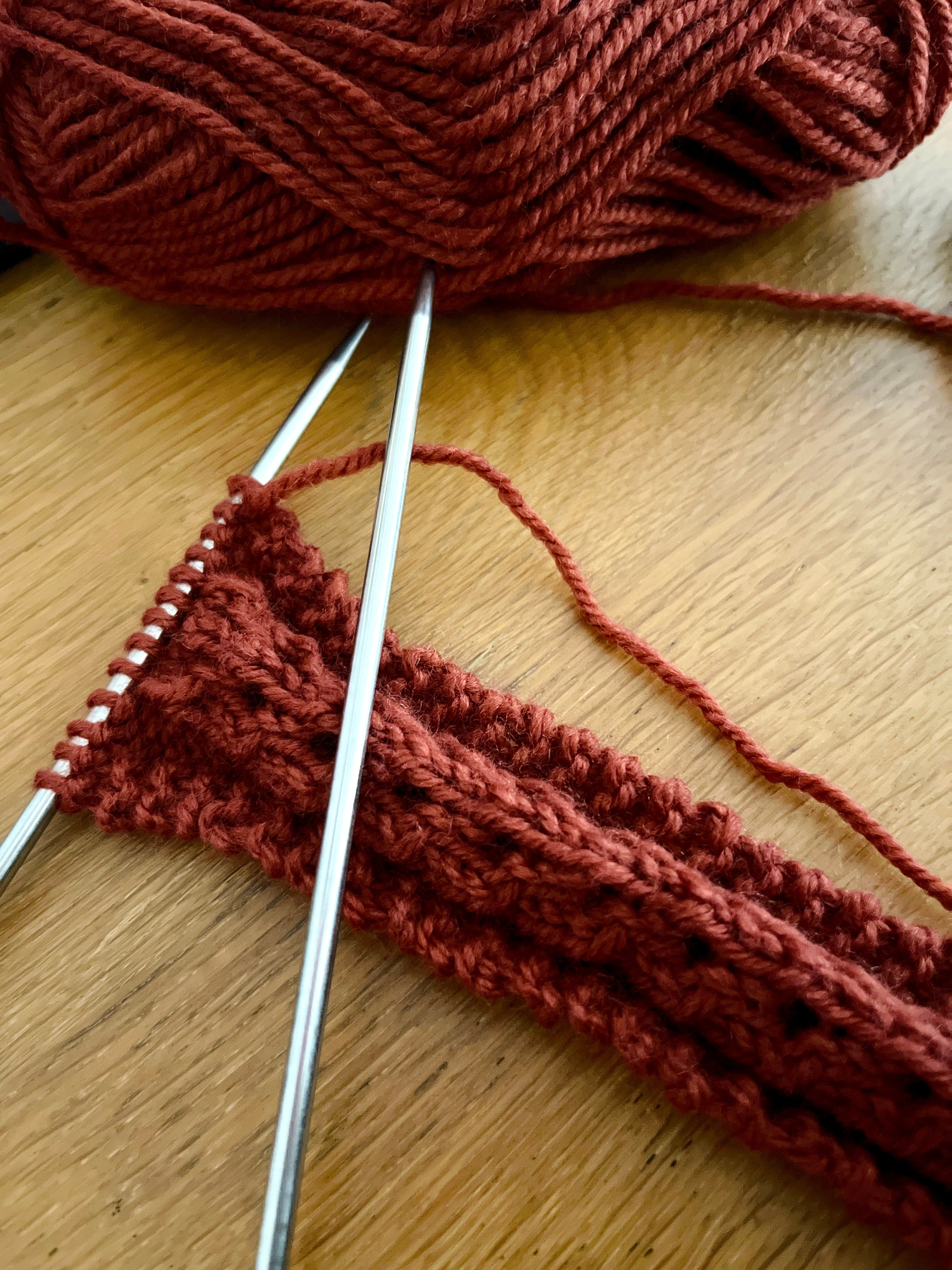
Hobbies teach you to be humble. You're going to suck. You're going to be a beginner and you'll feel like a toddler. You won't have much control.
You'll be forced to let go of control and focus on the process.
That can be frustrating to some, like myself, but the whole point of a hobby is that you are allowed to be bad at it. You don't need to perform, you can let that go. You get to be present and connect with yourself and your activity. That's it.
The more I fear frustration, the more I need a hobby. That's when I know I need to get myself through that exact frustration I've been avoiding. In a fun way.
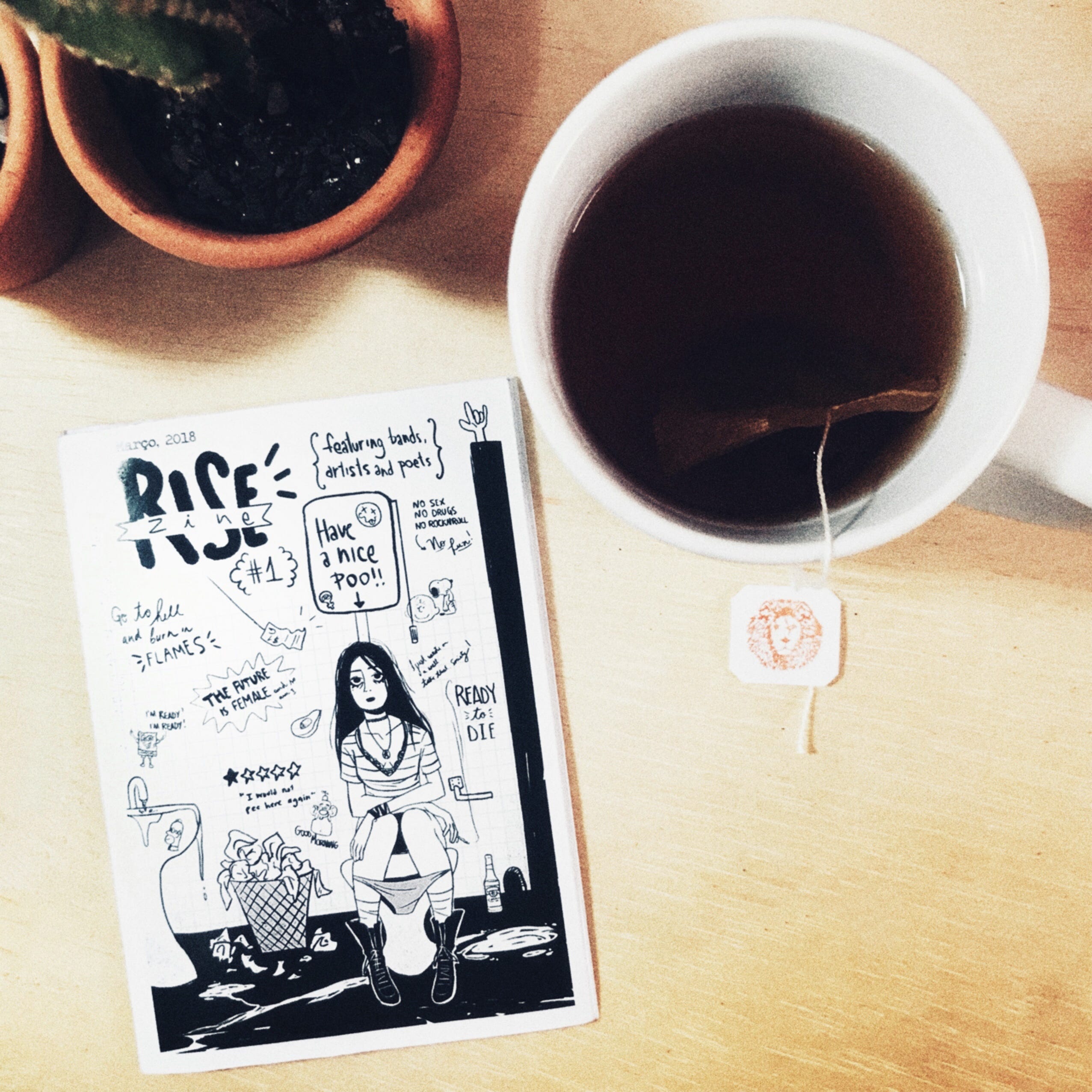
Hobbies also train your patience. And that is something our generation definitely needs to recalibrate. We've gotten used to having everything on demand. There's no need to wait. There's no room for boredom. No room for anticipation and expectation.
We just tap and there you have it.
But hobbies train our patience when we have to wait for the ink to dry, or the ceramics to burn, or the photograph to be slowly developed, or the learning curve to pick up the pace.
We train our patience when we read a full book instead of captions, when we listen to a full album instead of 30 seconds on TikTok, when we watch old movies where the storytelling is completely different from what we have today with our second-screen problem.
Second-screen script is when the writers have to dumb down a notch for viewers who are simultaneously scrolling on their phone while watching a movie or series.
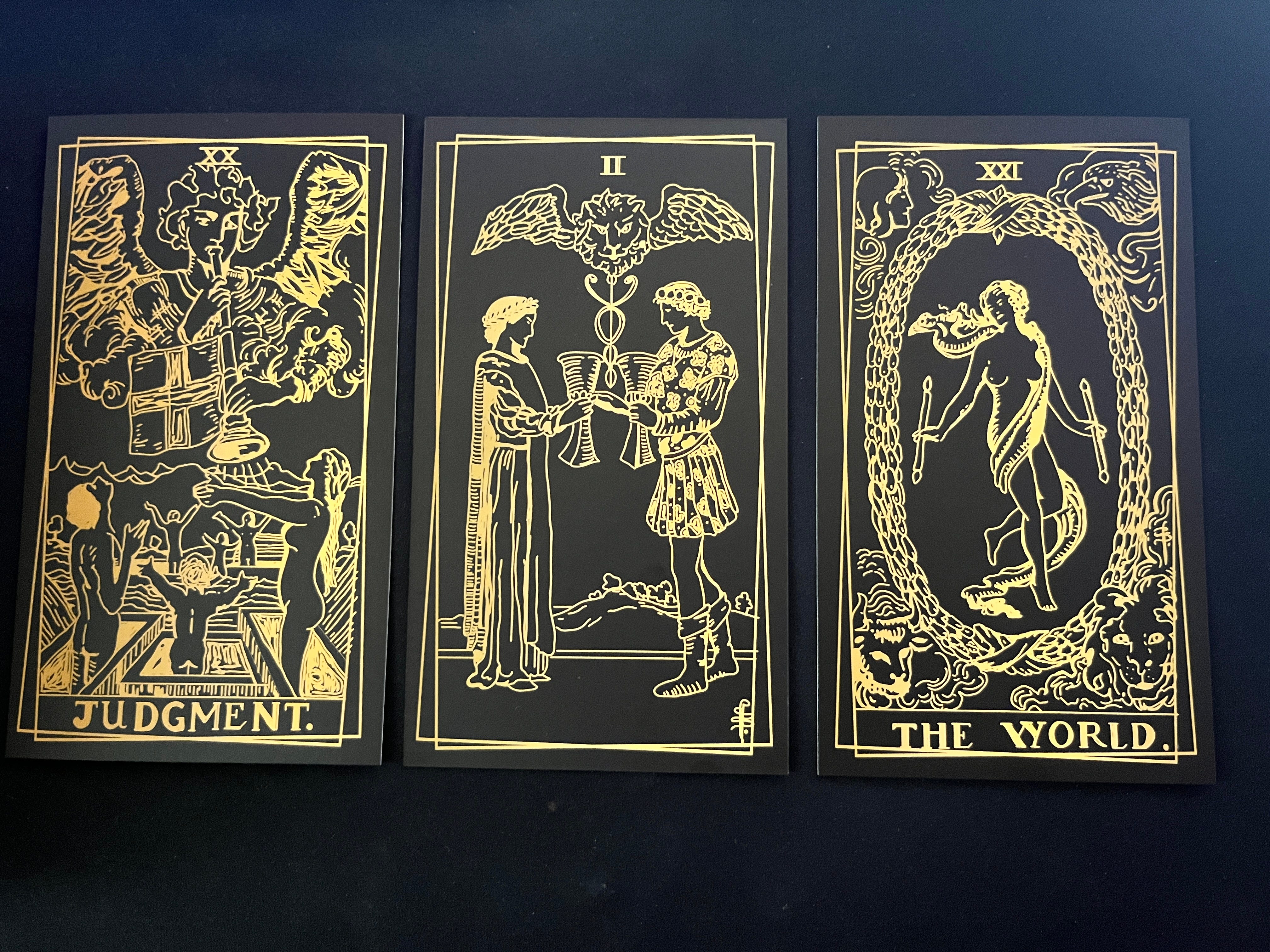
Hobbies push you towards your most authentic self. A person doesn't usually keep up with hobbies that don't genuinely interest them. You learn about yourself, you connect with yourself, and you keep yourself authentic in other areas of your life too.
Your hobbies can say a lot about you.

Hobbies develop skills and rewire the brain. Escaping brainrot with hobbies is great, but like I said, it goes beyond that. It's not only about stopping doom-scrolling. It's also about learning new skills, developing your interests, and rewiring your brain. Whether it's dopamine resistance, lack of patience, limiting self-belief, perfectionism, skepticism, you name it, your brain is plastic, and it can be rewired to a better condition.
You can recalibrate the dopamine that your receptive cells will take in. You can recalibrate your need for control. You can recalibrate your self-esteem. You can recalibrate your anxiety. You can recalibrate your nervous system. You can recalibrate your curiosity.

Hobbies keep you curious. You'll find yourself asking more questions and wanting to go deeper and deeper into your interests. You want to learn more, you want to know more. You may get obsessive, in a good way. And curiosity is like a muscle. You train it. And the more you train it, the bigger it grows.
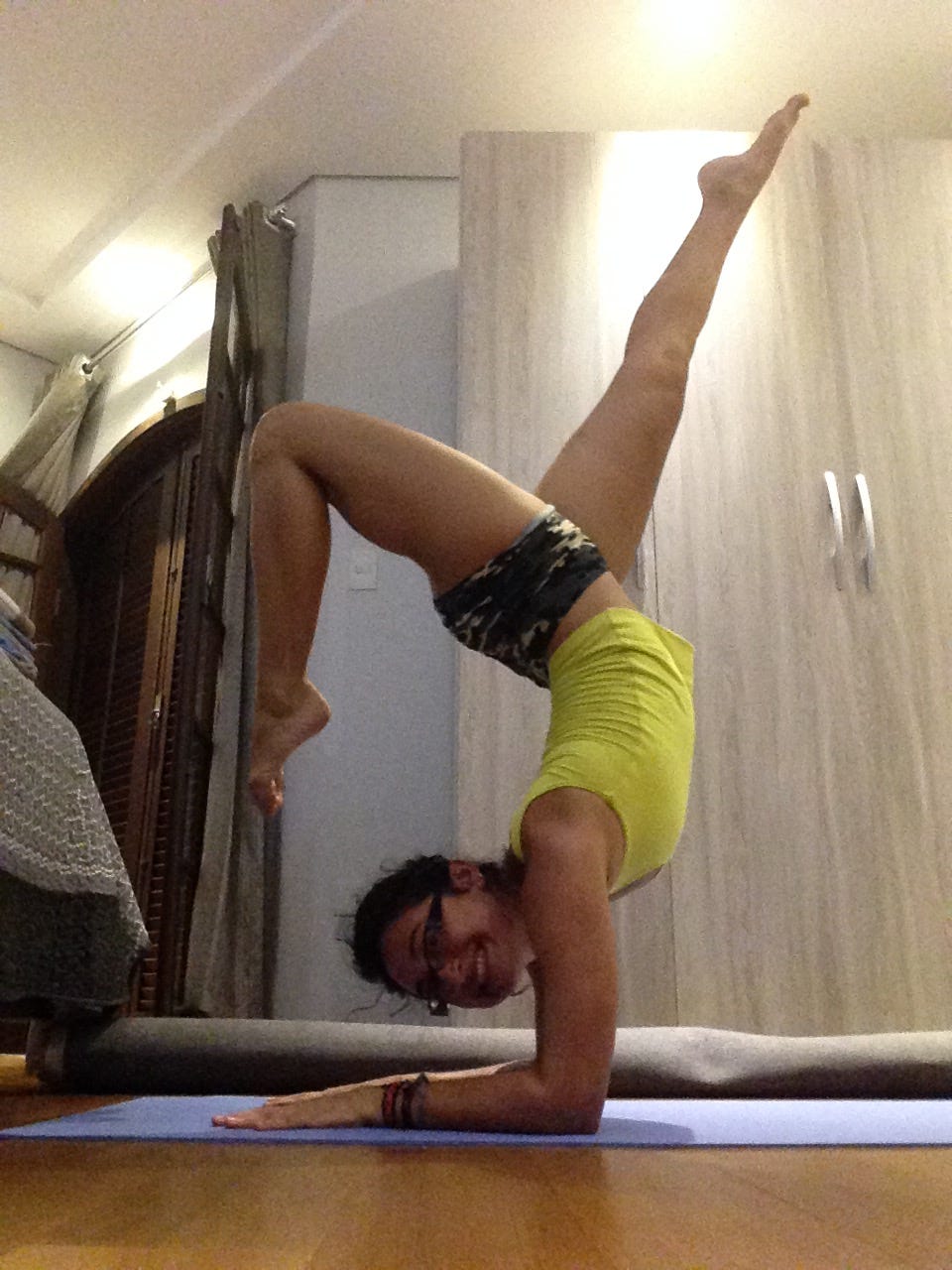
Hobbies can increase your self-esteem. Why am I talking so much about self-esteem? Because it's crucial to life. Having hobbies and interests genuinely makes you a more interesting person. You become more well-versed. You become more resourceful. You become more knowledgeable.
You understand your real potential and stop cutting yourself short. You start building on top of real experiences of tiny little wins - that time you made a decent and kinda cute ceramic mug, or that you finally landed that jump in ballet, or that you nailed the grammar in that language, after so many trials and errors.
Litte improvements are palatable proof that you are capable.
And they add up to build self-esteem.

Hobbies are anti-hustle, anti-productivity, anti-capitalist. It should be about pleasure. It should be purely about joy! Not about creating a side-hustle, or being productive, or showing off on social media. It's actually punching back at this oppressive culture. It's an act of rebellion.
Owning your own time, even if only 10 minutes? - How dare you?
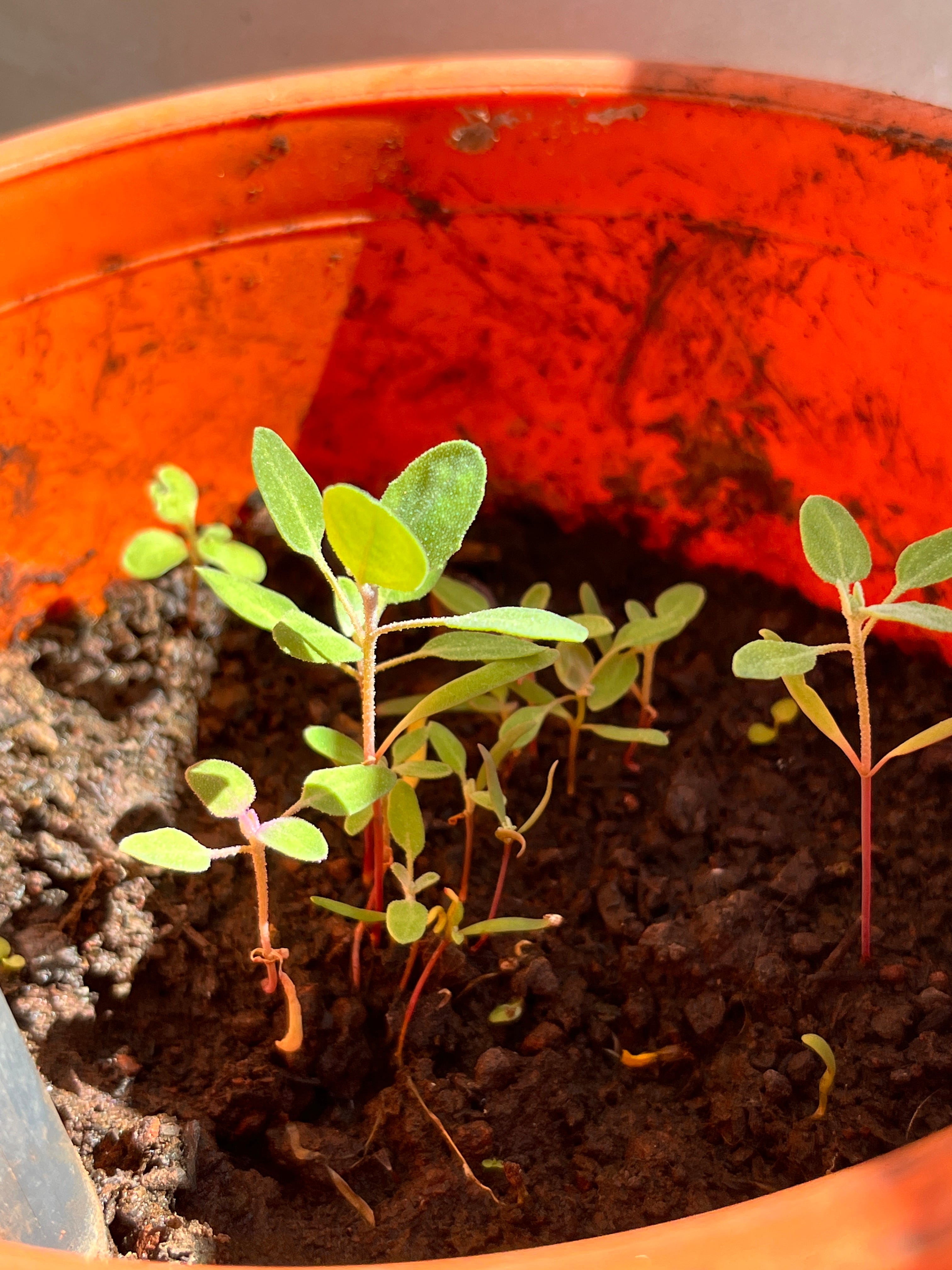
Hobbies are for everyone. However, not everyone has that right. Even though there is a hobby out there for every person, when work and commuting take up your entire time and energy, there's no room for a hobby.
If that's your experience, my unsolicited advice is, if possible, instead of reaching for your phone in the train, in the bathroom, or in bed, pick up a book. Or do embroidery on the bus. Or, using your phone, listen to an entire album, back to back.
Think about hobbies that could be done anywhere with little time. Preferably, that has nothing to do with your job.
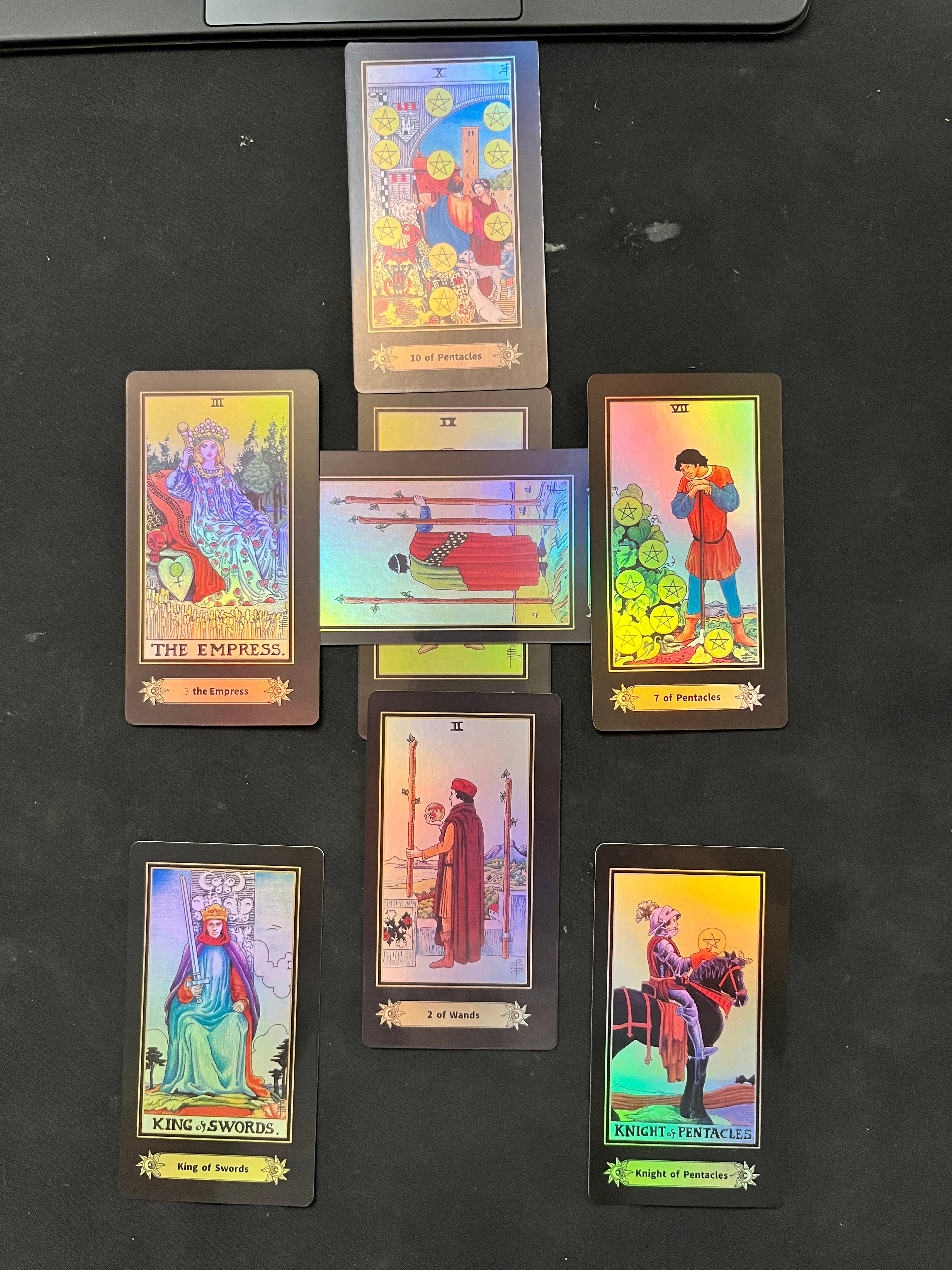
Make up a flash hobby tailored to your situation. Maybe do some crosswords on the train. Play Tetris. Draw the people around you. Learn all you can about bees.
Go out dancing on your day off. Train your dog. Plant some seeds by the windowsill and care for it a little bit each day.
Figure out what brings you joy, make it bite-sized, and start there.

Watch out for cults and schemes hidden as hobbies.
If there's someone demanding results, or anything for that matter, from you inside a hobby, run the other way. Hobbies are not about results.

In hobbies, the process is everything.


So how do I go back to being excited about my interests?
Movement is everything. Building momentum can do wonders. So I choose to just show up.
Writing here on Substack is a hobby - that I also consider work, so that's a gray area - but before I started it, the inertia of stillness was overwhelming, and I couldn't break that barrier.
When I finally showed up and wrote my first post, I broke the inertia and started building momentum.
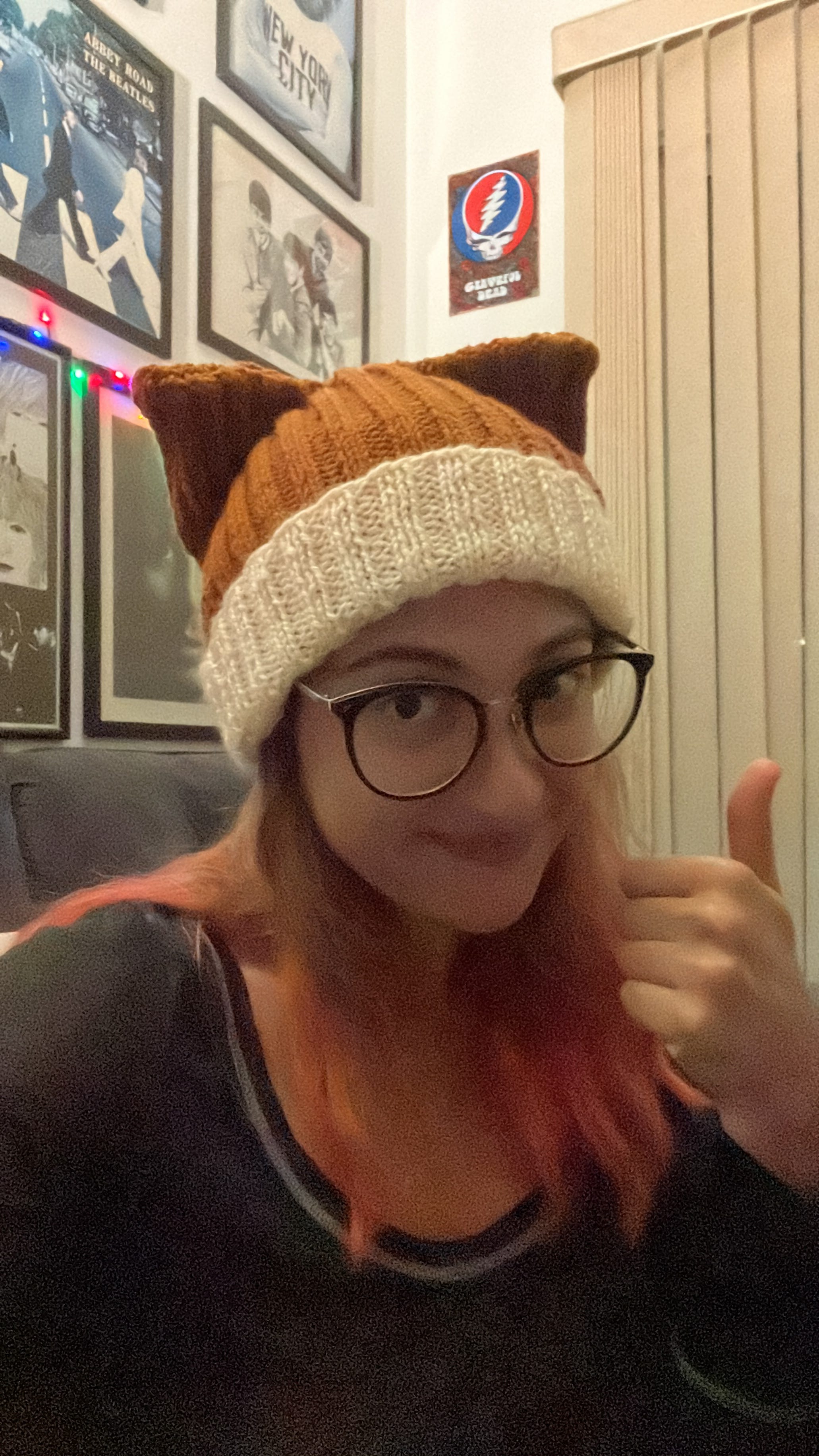
This is a hobby for me more than it is work, because I make an effort to keep it very low-pressure for me. And I end up writing about whatever I want, and I enjoy the process of it.
I allow myself to be messy and make little sense sometimes, because the idea is the expression of it all. It's not always well-written and well-structured. But it's done.
And done with joy.
And it builds momentum for the next time.

I'm definitely a work in progress in every aspect, and I have failed countless times.
But again and again, I keep showing myself that the frustration of not doing the things I love overwrites the frustration of doing them badly.
About me
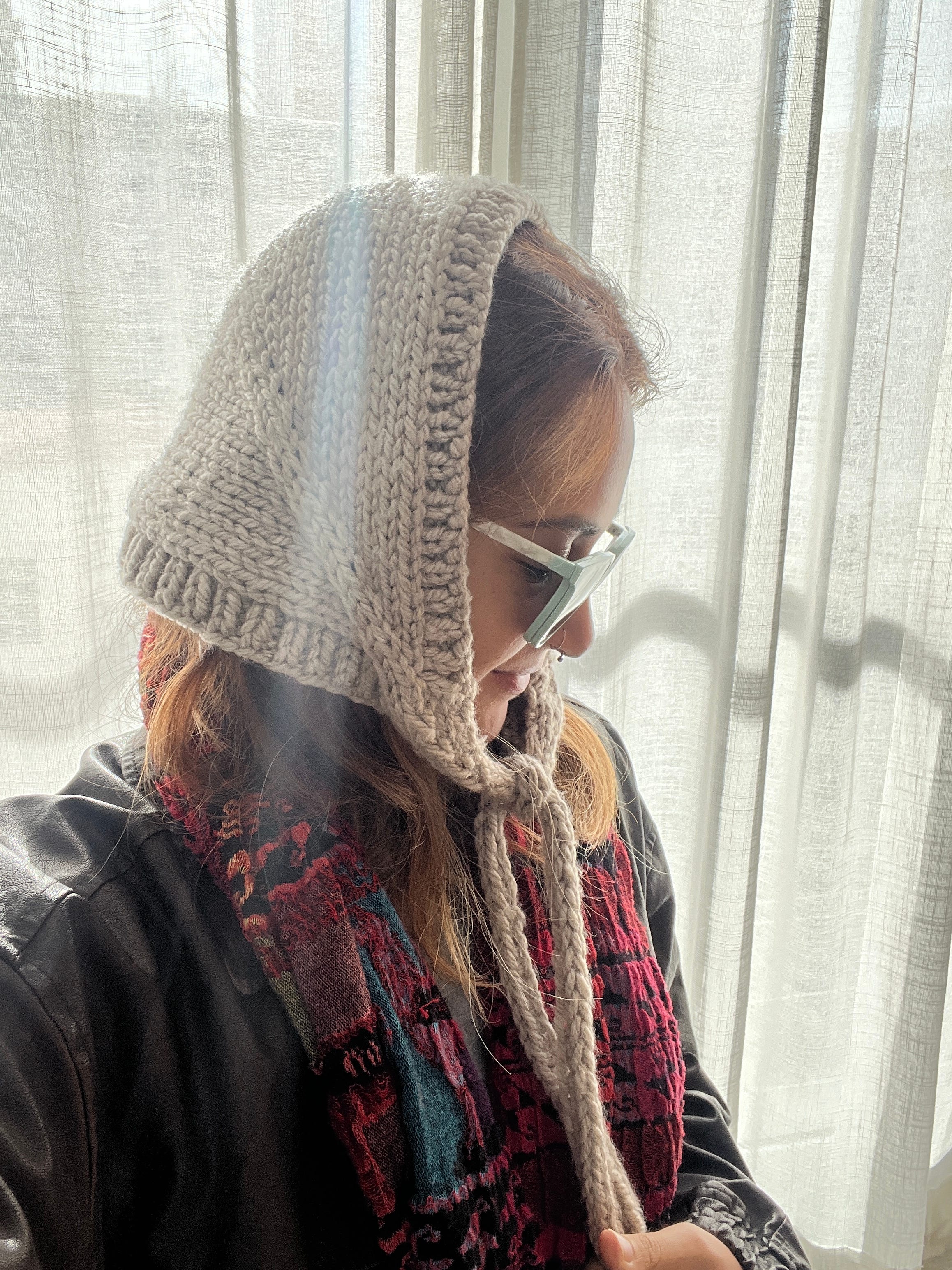
Hi, I’m Danielle - an illustrator, artist, and certified hypnotherapist. But more than that, I’m endlessly curious about the inner and outer world, and deeply in love with emotions, creativity, and the quiet power of making things with our hands.
I believe creating is a form of listening: to ourselves, to each other, and to what wants to be born through us.
The things I create are woven with this intention: to reimagine and gently revolutionize the way we relate to our inner and outer worlds.